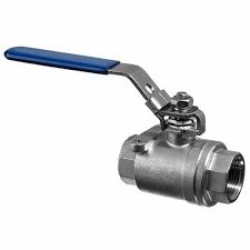
Plumbing valves are crucial components in any water supply or drainage system. They regulate, direct, and control the flow of water or other fluids through pipes and fixtures. Whether in residential, commercial, or industrial settings, plumbing valves ensure safe and efficient operation of water systems. With a wide variety of valve types designed for specific functions, understanding their roles is essential for homeowners, plumbers, and engineers alike.
What Are Plumbing Valves?
A plumbing valve is a mechanical device used to control the flow of liquids within a plumbing system. Valves can start or stop flow, adjust pressure, redirect water to different paths, or prevent backflow. They are commonly made from materials like brass, stainless steel, plastic, or bronze, depending on their intended use.
Valves are installed at key points in the plumbing system, such as near sinks, toilets, water heaters, or main water lines. Their proper function is vital for system maintenance, emergency shut-offs, and routine repairs.
Common Types of Plumbing Valves
1. Ball Valve
Ball valves use a rotating ball with a hole in the middle to control water flow. When the hole aligns with the pipe, water flows freely; when turned, it blocks the flow. Known for their durability and tight sealing, ball valves are ideal for shut-off applications.
2. Gate Valve
Gate valves operate by lifting a gate or wedge out of the path of water. They are primarily used in applications where the valve remains either fully open or fully closed, rather than for regulating flow.
3. Globe Valve
Globe valves are used to regulate flow rather than just stop or start it. Their design allows for precise control, making them suitable for applications where water flow must be adjusted.
4. Check Valve
Check valves allow water to flow in only one direction, preventing backflow. They are essential in systems like sump pumps or where contamination from backflow could be hazardous.
5. Pressure-Reducing Valve (PRV)
A PRV is used to lower the water pressure entering a building, protecting plumbing fixtures from damage caused by high pressure. It ensures safe and consistent water pressure throughout the system.
6. Angle Valve (Stop Valve)
Commonly found under sinks and toilets, angle valves are used to shut off water to specific fixtures without affecting the entire plumbing system.
Importance of Plumbing Valves
Plumbing valves serve several critical functions:
- Emergency Control: In case of leaks or repairs, valves allow for quick shut-off to prevent flooding.
- Water Conservation: Valves help regulate flow, reducing unnecessary water waste.
- System Safety: Pressure and check valves protect appliances and systems from damage due to backflow or high pressure.
- Maintenance and Repairs: Valves isolate sections of the plumbing system, enabling repairs without shutting down the entire water supply.
Conclusion
Plumbing valves may be small components, but they play a major role in the functionality and safety of water systems. Understanding the different types and their purposes helps ensure proper installation, maintenance, and operation. Whether you’re a DIY homeowner or a professional plumber, knowing how to choose and use the right valve is essential for effective water management.