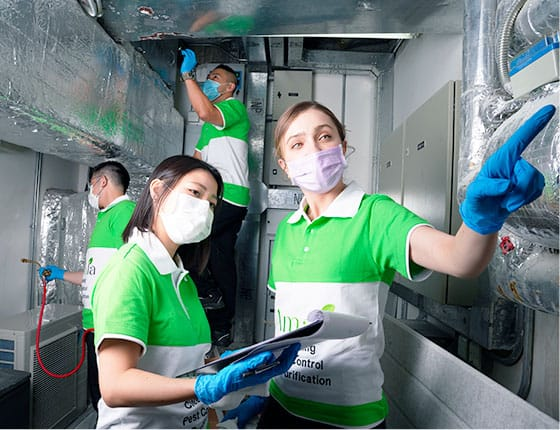
Indoor environments are designed to be safe and comfortable, yet hidden threats can silently compromise both health and productivity. Among these threats is formaldehyde, a harmful chemical compound that often lingers in office spaces due to construction materials, furniture, adhesives, paints, and cleaning supplies 辦公室甲醛. While it may not be classified as a traditional pest, formaldehyde acts like a silent intruder—affecting the air quality, employee well-being, and overall workplace efficiency. This is where the concept of Office Formaldehyde pest control comes into play, an approach dedicated to eliminating and neutralizing this invisible pollutant.
Understanding Formaldehyde in Office Environments
Formaldehyde is a colorless gas with a strong odor, commonly used in the production of resins, pressed wood products, carpets, and office furnishings. It may also be released from wall paints, varnishes, and even cleaning agents. In enclosed office spaces, the gas tends to accumulate, leading to poor indoor air quality. Unlike insects or rodents, which can be visibly identified, formaldehyde remains undetected without proper testing. Yet its impact can be just as damaging, if not more severe, to long-term health.
Why Formaldehyde is considered a hidden Pest
Classifying formaldehyde as a pest might seem unconventional, but the reasoning is clear. Just as pests invade a space, disrupt comfort, and harm human health, formaldehyde infiltrates the office atmosphere without consent. Its toxic effects resemble the damage caused by pest infestations, making Office Formaldehyde pest control an essential practice. Employees exposed to high levels of formaldehyde often complain of irritation in the eyes, nose, and throat, headaches, skin rashes, and respiratory discomfort. Prolonged exposure has been linked to more serious health issues, including increased risk of certain cancers.
The importance of Office Formaldehyde Pest Control
Controlling formaldehyde in office environments is not only a matter of health but also a business priority. An office filled with harmful pollutants leads to lower productivity, higher absenteeism, and dissatisfied employees. Modern businesses recognize that employee well-being directly contributes to performance and profitability. By investing in formaldehyde control, companies show commitment to creating a safe workplace while aligning with global occupational health and safety standards.
Methods of Detecting Formaldehyde in Offices
Before applying control measures, detection is crucial. Professional pest control service providers now include indoor air quality testing as part of their packages. Through specialized equipment, formaldehyde levels can be measured accurately. Some of the methods include portable air samplers, chemical test kits, and electronic detectors. Identifying the concentration helps determine whether the space requires urgent intervention or ongoing monitoring.
Effective Office Formaldehyde Pest Control Solutions
There are multiple strategies businesses can adopt to control formaldehyde levels:
Ventilation and Air Circulation
Proper ventilation remains one of the most effective solutions. Installing air purifiers with activated carbon filters helps trap volatile organic compounds like formaldehyde. Regularly servicing HVAC systems ensures pollutants do not accumulate indoors.
Use of Green Plants
Certain indoor plants, such as spider plants, peace lilies, and Boston ferns, naturally absorb toxins from the air, including formaldehyde. Incorporating greenery in office design not only enhances aesthetics but also improves air quality.
Non-Toxic Furniture and Materials
When furnishing or renovating offices, companies can prioritize eco-friendly, low-emission products. Certified “low VOC” (volatile organic compounds) materials release fewer toxins, reducing long-term risks.
Professional Chemical Treatments
Specialized formaldehyde removal treatments are available, often provided by pest control companies that focus on chemical pollutants. These involve spraying neutralizing agents or applying advanced photocatalytic coatings on walls and furniture that break down harmful compounds.
Regular Monitoring
Sustainable control requires consistent monitoring. Businesses that schedule regular air quality assessments can ensure that formaldehyde levels remain within safe limits.
The Role of Pest Control Companies
Pest control companies are evolving beyond dealing with insects and rodents. Many now include chemical pollutant management in their services. Their expertise in containment, elimination, and preventive strategies makes them well-suited to tackle indoor pollutants like formaldehyde. With growing awareness, Office Formaldehyde pest control has become a specialized field, offering tailored solutions for corporate clients.
Employee Awareness and Involvement
Controlling formaldehyde is not solely the responsibility of facility managers. Employees can play a vital role by adopting healthier office habits. Simple practices such as reducing the use of air fresheners, ensuring proper ventilation, and reporting unusual odors contribute to safer workspaces. Awareness campaigns can educate staff about the risks of prolonged exposure and the importance of prevention.
Benefits of Investing in Office Formaldehyde Pest Control
Organizations that prioritize formaldehyde control enjoy several advantages. Employees experience fewer health-related disruptions, leading to enhanced focus and morale. Reduced sick days mean higher productivity and lower healthcare costs. Clients and business partners also view such companies as responsible and forward-thinking, enhancing corporate reputation. Furthermore, compliance with environmental and occupational safety regulations helps avoid legal complications.
A Sustainable Future with Healthy Workplaces
As businesses move toward sustainability and wellness-driven environments, indoor air quality becomes a central concern. Office Formaldehyde pest control is not just about immediate removal but about long-term commitment to healthier spaces. Whether through green building certifications, eco-conscious design, or advanced air purification systems, controlling pollutants ensures a workplace that supports both human health and business success.
Conclusion
Formaldehyde may not crawl across the floor or buzz around the office, but its presence can be just as harmful as traditional pests. By treating it as a silent invader, businesses can implement targeted strategies to protect employees and enhance workplace safety. Office Formaldehyde pest control combines scientific detection, professional treatments, and employee awareness to ensure clean air and healthier offices. In the modern era, where well-being is central to corporate culture, controlling hidden threats like formaldehyde is not optional—it is a necessity for sustainable success.