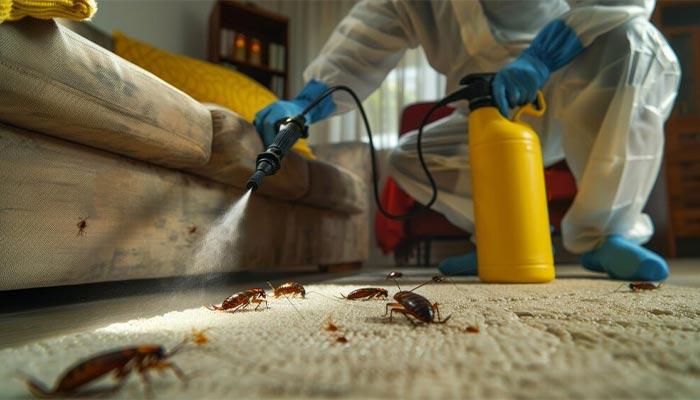
Termites are silent destroyers, capable of causing significant damage to wooden structures, furniture, and foundations before their presence is even noticed. For homeowners and property managers, understanding the methods to exterminate termites is crucial to protecting investments and ensuring the longevity of buildings. Unlike common pests, termites require specialized approaches because of their hidden nesting habits, complex social structures, and persistence. Extermination is not just about eliminating visible termites but also eradicating the colony and preventing future infestations.
One of the most widely used methods to exterminate termites involves liquid chemical treatments 滅白蟻方法. These treatments create a protective barrier around the property, targeting termites as they travel through soil or access wooden structures. Professional pest control technicians apply termiticides in the soil around the foundation, around utility penetrations, and along potential entry points. When termites come into contact with these chemicals, they carry the substance back to the colony, slowly eradicating the entire population. This method is highly effective for both subterranean and structural infestations.
Another effective approach includes termite baiting systems. These are strategically placed around the property and consist of cellulose-based materials combined with slow-acting toxicants. Termites consume the bait and share it with the colony, eventually eliminating the source. Baiting systems are considered a safer and environmentally friendly method to exterminate termites because they target only the pests and reduce exposure to chemicals for humans and pets. Regular monitoring ensures the bait remains effective and allows technicians to track termite activity over time.
Physical removal and structural treatment is another key technique. In cases where termite damage is localized, removing infested wood and replacing it with treated materials can stop the spread. Borate-based treatments are often applied to wooden structures during construction or renovations. These substances penetrate the wood and act as a long-term deterrent against termite attacks. Unlike chemical soil treatments, this method directly protects wood, making it an important preventative method to exterminate termites.
Heat treatment is emerging as a modern approach to termite control. Termites are highly sensitive to temperature, and exposure to extreme heat can eliminate entire colonies hidden within walls or furniture. Technicians use specialized equipment to raise the temperature in affected areas to levels lethal to termites. This method is chemical-free and can be ideal for homeowners concerned about the environmental impact of conventional pesticides. Heat treatment requires careful execution to avoid damage to the building materials and furnishings while ensuring all termites are effectively exterminated.
Cold treatment, or cryogenic methods, are also utilized in certain cases. Similar to heat, exposing termites to extreme cold using liquid nitrogen or other techniques can destroy infestations. While less commonly used than chemical or heat methods, cryogenic treatment is a viable method to exterminate termites in areas where other treatments may be impractical or undesirable. These advanced approaches often complement other pest control strategies to ensure comprehensive elimination.
Integrated pest management (IPM) is a holistic approach that combines multiple methods to exterminate termites while focusing on prevention. IPM strategies include regular property inspections, moisture control, elimination of wood-to-soil contact, and installation of barriers or baits. By addressing the environmental conditions that attract termites and combining chemical, physical, and biological measures, IPM provides long-term protection and minimizes the risk of recurring infestations. This method emphasizes monitoring and early intervention rather than reactive extermination.
Biological control is gaining attention as an environmentally sustainable method to exterminate termites. Certain nematodes, fungi, and bacteria can naturally target and kill termites. These organisms are introduced into infested areas where they infect the termites, leading to the eventual collapse of the colony. Biological methods are considered safe for humans, pets, and the environment, but they often work best in combination with other termite control strategies to ensure complete eradication.
Professional expertise is essential when choosing the appropriate methods to exterminate termites. Termite colonies are complex, with hidden queens, soldiers, and workers, making DIY approaches often ineffective. Professional exterminators assess the extent of the infestation, identify the species involved, and select treatment plans tailored to the property’s needs. They also ensure safety protocols are followed, reducing risks associated with chemical exposure or structural damage during treatment.
Preventative measures are an equally important aspect of termite management. Treating wood with protective chemicals during construction, sealing cracks and crevices in foundations, and maintaining proper drainage around the property are all methods that reduce the likelihood of termite infestation. Regular inspections by a professional pest control company help detect early signs of termite activity, allowing for timely intervention before significant damage occurs. These preventative strategies complement active methods to exterminate termites and provide long-term peace of mind.
Moisture control is another critical component in termite prevention and eradication. Termites thrive in damp environments, and areas with leaky pipes, poor drainage, or excessive soil moisture are more susceptible to infestations. By addressing these issues, homeowners reduce favorable conditions for termite colonies, enhancing the effectiveness of chemical and baiting treatments. Moisture management is therefore considered an essential supporting strategy in any comprehensive method to exterminate termites program.
Wood treatment using borate solutions is one of the oldest yet highly effective methods to exterminate termites. Borates penetrate wooden surfaces and disrupt the digestive systems of termites, making the wood uninhabitable. This method works as both a preventative and curative treatment and can be applied during construction or to existing structures showing signs of infestation. Combining borate-treated wood with other pest control strategies strengthens overall protection against termite attacks.
Monitoring and follow-up inspections are crucial in termite management. Even after treatment, colonies can attempt to reestablish themselves if environmental conditions remain favorable. Professional pest control companies often implement ongoing monitoring programs that include bait checks, inspections of soil and wood, and adjustments to treatment as needed. This proactive approach ensures that the methods to exterminate termites remain effective and that property owners are not faced with recurring infestations.
Education is an additional benefit offered by pest control professionals. Homeowners learn to identify early signs of termite activity, understand risk factors, and implement simple measures to reduce vulnerability. By combining education with active methods to exterminate termites, property owners become partners in maintaining a pest-free environment, enhancing the longevity of the property and minimizing future damage.
In summary, termites pose a significant threat to properties of all sizes, and effective management requires a combination of strategies. Liquid chemical treatments, baiting systems, physical removal, heat and cold treatments, biological control, and integrated pest management are all proven methods to exterminate termites. Each approach has unique advantages, and professionals often tailor solutions based on the specific infestation and property conditions. Preventive measures, ongoing monitoring, and homeowner education further strengthen termite control programs, ensuring that homes and buildings remain safe, durable, and pest-free. By understanding and utilizing these methods, property owners can protect their investments from one of the most destructive pests in the world.