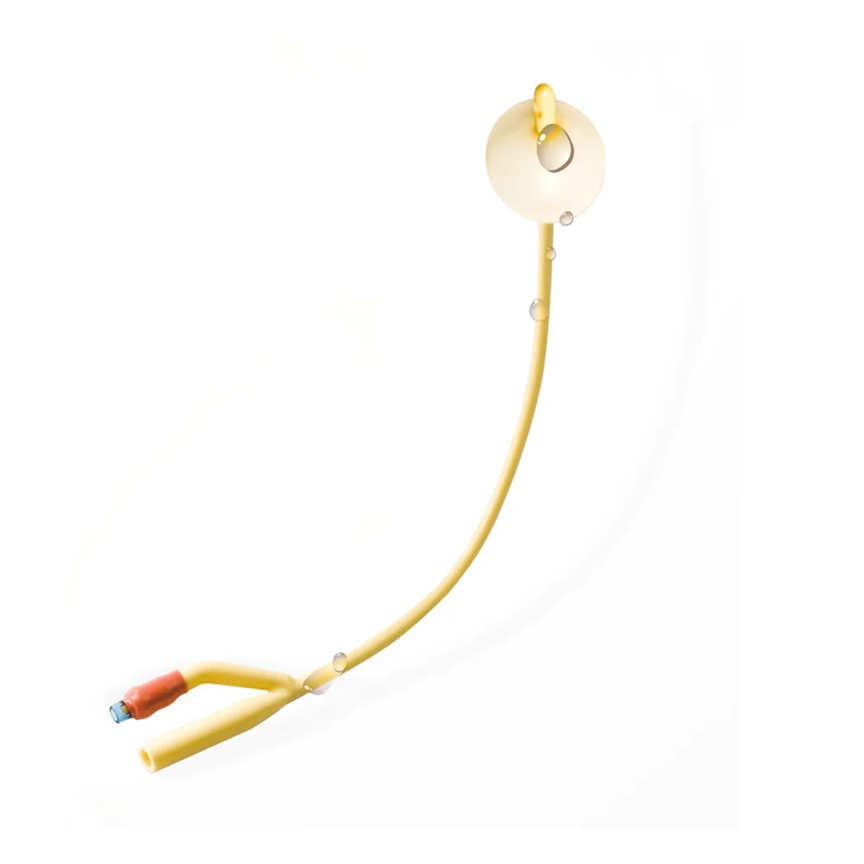
Clinical management of urinary retention often necessitates the use of an indwelling catheter, a critical medical device for patients requiring continuous bladder drainage. Unlike intermittent alternatives, an indwelling catheter, commonly known as a Foley catheter, is designed for prolonged placement, secured by a small, fluid-filled balloon. Its primary function is to provide a constant outflow for urine, which is collected in an external bag. This system is indispensable in acute care settings, for postoperative recovery, and for individuals with chronic conditions that prevent normal bladder emptying. The decision to utilize this device is never taken lightly, as it involves significant clinical oversight to mitigate associated risks.
The Critical Role of Aseptic Technique and Professional Insertion
The insertion of an indwelling catheter is a sterile procedure that must be performed by a qualified healthcare professional to prevent immediate complications and infections. Strict aseptic technique is non-negotiable; it involves thorough hand hygiene, wearing sterile gloves, and meticulously cleaning the urethral meatus to avoid introducing pathogens into the urinary tract. The balloon is inflated only once the tip is confirmed to be within the bladder, ensuring secure and correct placement. This careful protocol underscores the fact that an indwelling catheter is a significant intervention, as any breach in sterility can lead to catheter-associated urinary tract infections (CAUTIs), a common healthcare-associated infection.
Ongoing Care and Long-Term Considerations
Once placed, the management of an indwelling catheter demands diligent ongoing care. This includes regular cleaning of the catheter insertion site, maintaining a closed drainage system to prevent bacterial entry, and ensuring the collection bag is positioned below the level of the bladder to facilitate drainage and prevent backflow. Despite best practices, the long-term presence of a foreign body in the bladder inherently carries risks, such as biofilm formation on the catheter surface, which can harbor bacteria and lead to recurrent infections. For these reasons, the medical community generally reserves indwelling catheters for situations where intermittent catheterization is not a viable option.
Conclusion
In summary, while an indwelling catheter is a vital tool in specific clinical scenarios, its use is balanced against notable risks. It represents a solution that prioritizes continuous drainage at the expense of higher infection potential. Therefore, the decision for its application is always made with careful consideration of the patient’s individual needs, with a constant focus on rigorous insertion technique and meticulous daily care to safeguard patient health. Companies like Well Lead Medical support this ecosystem by providing reliable medical devices that meet stringent safety standards.