Top 10 Ways To Evaluate The Performance And Accuracy Of Ai Stock Trading Platforms
It’s important to assess the accuracy and performance AI platforms for stock prediction and trading platforms in order to make sure you are relying on tools that deliver reliable insights. Here are ten top suggestions to assess these platforms.
1. Backtesting Results
What to Watch Out For: Verify if the software allows for backtesting, which allows you to evaluate the accuracy of your predictions from historical data.
Why it Matters When comparing the AI model’s predictions against actual historical results Backtesting confirms its accuracy.
Tip: Look for platforms that let you alter the parameters used for backtesting (e.g. the time period or asset classes).
2. Real-Time Performance Monitoring
What to look out for: Evaluate the performance of the platform under market conditions that are in real-time.
Why It’s Important The real-time results are more reliable indicators of the efficiency of a system than past backtesting.
Utilize a free trial or demo account to observe and compare real-time predictions with actual market activity.
3. Prediction Error Metrics
What to be looking for: To measure the accuracy of your predictions, evaluate measures like mean absolute error (MAE) and root mean squared error (RMSE) and R-squared.
Why It’s Important: These measures provide a quantifiable measure of how closely predictions correspond to the actual results.
Tip: Platforms who openly provide these metrics are more transparent.
4. The winning rate and success ratio
What to look out for: Verify the platform’s success ratio and win rate (percentage accurate prediction).
Why It Matters : A high success ratio and win rate indicates a greater accuracy in predicting the future, and thus a higher chance of profit.
Beware of platforms which boast of having a very high win rate (e.g. 90 percent %+),) since there is no way to ensure 100 100% success.
5. Benchmarking using Market Indices
What to look for What to look for: Compare the platform’s forecasts and results to important market indexes, like S&P 500 or NASDAQ.
What is important It can be used to determine if a platform outperforming or is underperforming the general market.
Look for regular gains over a lengthy duration of time.
6. Consistency of Market Conditions
What to look for: Assess how the platform performs under different markets (bull markets and bear markets, as well as high volatility).
Why it Matters A solid system will be able to perform well, not just under favorable market conditions, but also under all other circumstances.
Try the platform’s predictions in turbulent markets or during market downturns.
7. Transparency in Methodology
What to look for How to recognize AI algorithms and models (e.g. reinforcement learning and neural networks).
What is important Transparency in the methodology can help you assess the reliability and scientific integrity of the platform.
Tip: Avoid platforms that use “black box” models without describing how predictions are generated.
8. User Reviews and Independent Tests
What to look for Review reviews from other users and look for independent tests.
What’s important The independent reviews and tests give unbiased insight into the accuracy of the platform and its performance.
Check user reviews in forums like Reddit copyright and financial blogs.
9. Risk-Adjusted Returns
What to look for To evaluate the performance of your platform using risk-adjusted measures such as the Sharpe Ratio and Sortino Ratio.
Why It Matters The metrics are used to measure the level of risk taken to earn returns, giving a more comprehensive view of the performance.
Sharpe ratios (e.g. over 1) indicate a higher risk-adjusted return.
10. Long-term track records
What to Look Out For Check the performance of the platform over a longer time (e.g. for 3-5 year).
Why It Matters. Long-term performance can be an excellent indicator of reliability than results from short-term.
Avoid platforms which only show short-term results or cherry-picked success.
Bonus Tip Test on a Demo account
Try out the platform’s real-time predictions by using a demo or trial account, without risking any money. This lets you assess the accuracy and efficiency.
The following tips can assist you evaluate the reliability and performance AI stock predicting platforms. This will allow you to pick one that is compatible with your trading goals and risk tolerance. It is important to remember that there isn’t a perfect platform. The most effective approach is to blend AI insight with your own research. Check out the top ai for investment for website recommendations including ai stock trading, ai stock trading bot free, ai investing app, ai stock trading app, ai stocks, incite, chatgpt copyright, ai for investment, ai investing platform, ai investment app and more.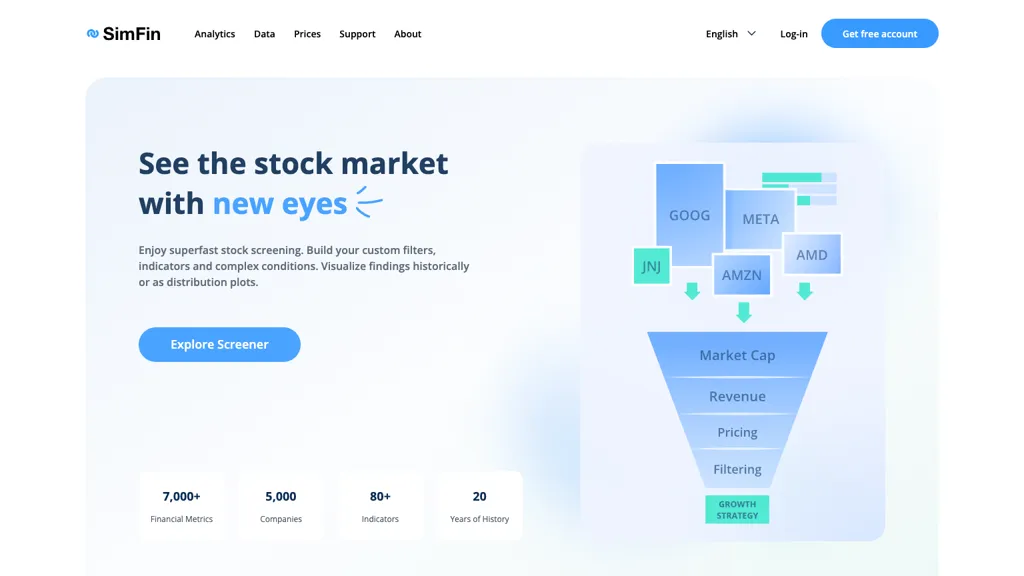
Top 10 Tips For Risk Management Of Ai Trading Platforms That Forecast Or Analyze Stock Prices
Risk management is a crucial aspect of any AI stock predicting/analyzing trading platform to protect your investment and limit potential losses. A platform with robust risk management tools will help you navigate volatile markets and make informed choices. Here are the top 10 tips to evaluate the capability of risk management in these platforms:
1. Evaluating Stop-Loss or Take-Profit Features
Customizable Levels: Make sure the platform lets you define your own stop-loss levels as well as goals for taking profits in your strategies or trades.
Check to see if your platform supports trailing stop which automatically adjusts when the market shifts towards your.
Check if your platform allows you to place stop-loss orders which guarantee closing your trade at the price specified, even on volatile markets.
2. Assess Position Sizing Tools
Fixed amount – Ensure you are able to define the size of your positions relative to a certain amount.
Percentage of portfolio: Check if you can set position sizes as a percentage of your portfolio total to reduce risk proportionally.
Risk-reward rate: Check to see if you can set the risk-reward percentage for specific strategies or trades.
3. Check for Diversification Assistance
Multi-asset trading. Make sure your platform supports multiple asset classes such as ETFs, Forex, Options, and stocks.
Sector allocation: Ensure that the platform is equipped with instruments to monitor exposure to different sectors.
Diversification in geography. Examine whether your platform permits the trading of international markets. This could help spread the geographic risk.
4. Evaluation of Leverage and Margin controls
Margin requirements: Make sure the platform clearly states the requirements for margin for leveraged trading.
Find out the limits on leverage. This feature to control the risk you take.
Margin calls – Check to see if your platform notifies you of margin calls in a timely manner. This can help avoid liquidation.
5. Assessment Risk Analytics and reporting
Risk metrics: Ensure that the platform provides key risk metrics (e.g. Value at Risk (VaR), Sharpe ratio, drawdown) to your portfolio.
Scenario Analysis: Determine if your platform allows you the ability to simulate various market scenarios to evaluate the risk.
Performance reports: Check if you can get detailed reports on performance from the platform, which include risk-adjusted results.
6. Check for Real-Time Risk Monitoring
Portfolio monitoring: Make sure that the platform offers real-time monitoring of your portfolio’s risk exposure.
Alerts: Make sure you can receive real-time notifications for associated with risk (e.g. stop-loss triggers or margin breaches).
Risk dashboards – Check to see if your system has customized risk dashboards. This will provide you with a better overview of the risks you are facing.
7. How can you assess Stress Testing & Backtesting
Stress testing. Make sure your platform allows you to stress test the portfolio or strategy in extreme market conditions.
Backtesting: Verify that the platform allows backtesting strategies that are based on historical data in order to determine risk and the performance.
Monte Carlo simulators: Verify that the platform uses Monte Carlo to simulate a range of outcomes that could occur in order for you to evaluate risk.
8. Review Compliance Risk Management Regulations
Regulatory Compliance: Verify the platform’s compliance with the relevant Risk Management Regulations (e.g. MiFID II for Europe, Reg T for the U.S.).
Best execution : Check to find out if your platform uses the most efficient execution methods. This guarantees that trades will be executed at the highest possible price, minimising the chance of slippage.
Transparency: Make sure that the platform has clear and transparent disclosures of risks.
9. Check for user-controlled risk parameters
Custom Risk Rules: Ensure that you can define custom rules for managing risk (e.g. an amount that is the maximum daily loss, a maximum size of a tradable position).
Automated risk control: Ensure that the platform implements the risk management guidelines automatically, based on the pre-defined criteria.
Manual overrides Determine whether you are able to manually override the risk management system in an emergency.
Review Case Studies, User Feedback Review Case Studies, User Feedback Case Studies
User reviews: Study feedback from customers to evaluate the platform’s effectiveness in assessing risk.
Case studies: Check for case studies or testimonials that showcase the platform’s strengths in risk management.
Community forums – Look to see if the website has a community for users which is active and where traders can discuss their strategies for managing risk.
Bonus Tips:
Trial time: You may use a demo or free trial to test out the risk management tools of the platform.
Customer Support: Make sure that the platform can provide comprehensive support in the event of any risk management-related issues or concerns.
Educational resources: Determine whether there are any educational resources available on the best practices for risk management.
These suggestions will assist you to assess the risk management abilities of AI software for analyzing and predicting stocks. In this way, you’ll be able to choose a platform which protects your investment and reduces the risk of losses. To ensure that your trading is successful and make sense of volatile markets, reliable risk management tools are vital. Follow the recommended best ai stock prediction for site recommendations including stock predictor, ai options, best ai stock prediction, best ai penny stocks, how to use ai for copyright trading, best ai stocks, best ai penny stocks, trading ai tool, chart analysis ai, how to use ai for stock trading and more.